food is useful; you can preserve seasonal fruits and vegetables for the winter or build up a food supply. Usually, whatever we freeze, we put into bags or containers. However, both are made from petroleum-based plastic, which is then difficult to dispose of. Freezing in glass is a good, sensible way to preserve food without it coming into contact with plastic. If you simply use empty jars—such as those from honey, spreads, baby food, or sauces—you’ll also save a lot of money. Anyone who thinks glass jars will shatter in the freezer can rest assured that nothing will go wrong as long as you pay attention to a few small details.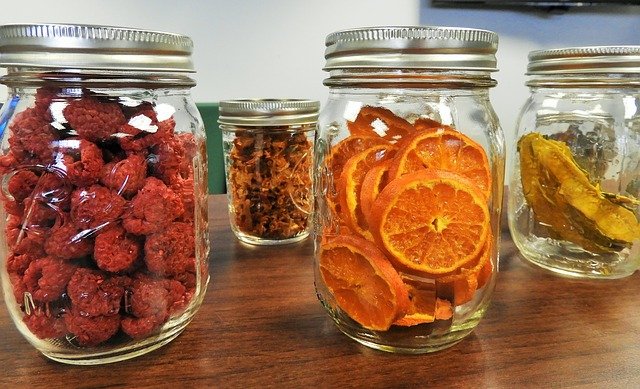
Choose the right glass
Ideally, use relatively sturdy, thick-walled jars with a wide opening. Mustard jars, for example, are sometimes rather thin; better options include jars from honey, jam, spreads, pickles, olives, or sauces. It’s best to choose jars with a relatively wide diameter. With very narrow, tall jars, there’s a greater risk of them breaking, and it’s also harder to get the contents out.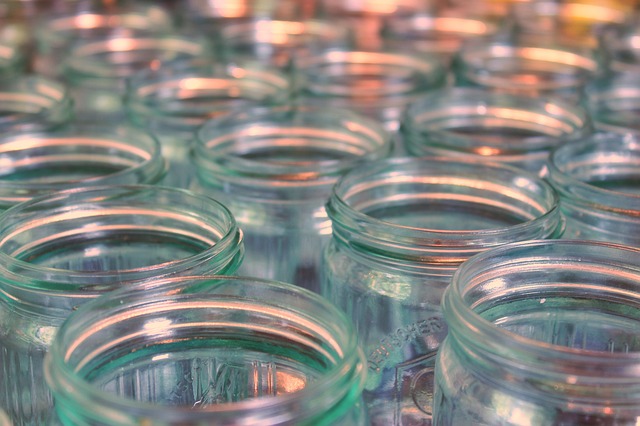
Fill Properly
If you want to freeze liquid or semi-liquid foods, the most important thing is not to fill the jars completely. Leave a little space under the lid; it’s best to fill the container about three-quarters full. This prevents the glass from cracking as the frozen liquids expand. For solid foods, such as fruit, berries, or vegetables, you can fill the jar a little higher; the space left will give the food enough room to expand without damaging the glass.
Freeze Properly
Liquid or semi-liquid foods should always be frozen so that the frozen liquid can expand as evenly as possible. It is best to first place the jar with frozen food in the freezer without a lid or to close the lid loosely. Only once the contents are frozen should you screw the lid on or secure it.
These foods can be frozen in a jar
You can freeze solid, semi-solid, or liquid foods in a jar. This allows you to preserve seasonal fruits and vegetables: rhubarb, berries, beans, peas, spinach, cauliflower, or herbs. Wash the fresh produce, cut it into pieces, place it in a clean jar, and put the jar in the freezer.
You can also freeze soups, sauces, spreads, purees, and other liquid foods, as well as ready-to-eat meals in jars—just be sure to read the tips for filling them properly.
When thawing, be careful, especially with liquid foods, to ensure they don’t heat up too quickly. Never heat a jar that you have just taken out of the freezer. The extreme temperature difference can cause the glass to crack. It is best to remove the jar from the freezer several hours before use and let the contents thaw slowly in the refrigerator or at room temperature.